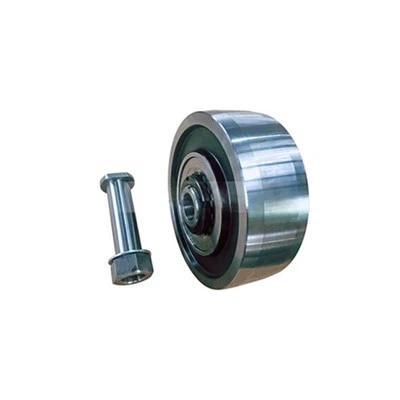
In the realm of construction machinery, the mixer drum forged track ring is a critical component that plays an indispensable role in the operation of concrete mixers. As a seasoned supplier of mixer drum forged track rings, I am often asked about the rotational speed limit of this crucial part. In this blog post, I will delve into the factors that determine the rotational speed limit of a mixer drum forged track ring, its importance, and how it impacts the overall performance of concrete mixers.
The Basics of a Mixer Drum Forged Track Ring
Before we discuss the rotational speed limit, let's first understand what a mixer drum forged track ring is and its function. A mixer drum forged track ring is a large, circular component that is typically made from high - strength forged steel. It is mounted on the outer circumference of the mixer drum and serves as a track for the rollers or gears that drive the rotation of the drum. The forged track ring provides a smooth and stable surface for the driving mechanism, ensuring efficient and reliable operation of the mixer.
Factors Determining the Rotational Speed Limit
Material Properties
The material of the forged track ring is a primary factor in determining its rotational speed limit. High - quality forged steel with excellent mechanical properties, such as high strength, hardness, and toughness, can withstand higher rotational speeds. The steel's ability to resist wear, fatigue, and deformation under the dynamic loads generated during rotation is crucial. For example, a track ring made from a low - grade steel may start to show signs of wear and cracking at relatively low rotational speeds, while a ring made from a high - performance alloy steel can handle much higher speeds without significant damage.
Design and Manufacturing Quality
The design of the forged track ring also affects its rotational speed limit. A well - designed track ring will have an optimal cross - sectional shape and profile that distributes the loads evenly during rotation. This reduces stress concentrations and minimizes the risk of failure. Additionally, the manufacturing process plays a vital role. Precise forging, machining, and heat - treatment processes ensure that the track ring has a consistent quality and dimensional accuracy. Any irregularities in the surface finish or dimensions can lead to vibrations and uneven loading, which will limit the maximum rotational speed.
Lubrication and Cooling
Proper lubrication is essential for reducing friction and wear between the track ring and the driving components. Insufficient lubrication can cause excessive heat generation, which can lead to a decrease in the material's strength and an increase in the risk of failure. In some cases, additional cooling mechanisms may be required to maintain the temperature of the track ring within acceptable limits. For example, in high - speed applications, oil - cooled systems can be used to dissipate the heat generated during rotation.
Compatibility with Other Components
The rotational speed limit of the mixer drum forged track ring is also influenced by the compatibility with other components in the mixer system. The driving motor, gearbox, and rollers must be able to operate in harmony with the track ring at the desired rotational speed. If one component is not designed to handle the speed, it can cause premature wear or failure of the entire system.
Importance of Adhering to the Rotational Speed Limit
Adhering to the rotational speed limit of the mixer drum forged track ring is of utmost importance for several reasons.


Safety
Exceeding the rotational speed limit can pose a significant safety risk. High - speed rotation can cause the track ring to experience excessive stress, leading to cracks or even catastrophic failure. A failed track ring can result in the mixer drum losing control, which can cause injuries to operators and damage to the surrounding equipment and infrastructure.
Equipment Longevity
Operating the mixer drum within the recommended rotational speed range helps to extend the lifespan of the track ring and other related components. By reducing the stress and wear on the track ring, it can operate more smoothly and reliably over a longer period. This reduces the frequency of maintenance and replacement, saving time and money in the long run.
Mixing Quality
The rotational speed of the mixer drum directly affects the quality of the concrete mixture. A balanced and consistent rotational speed ensures that the materials are mixed thoroughly and evenly. If the speed is too high or too low, it can lead to poor mixing, resulting in a non - uniform concrete mixture that may not meet the required specifications.
Impact on the Overall Performance of Concrete Mixers
The rotational speed limit of the mixer drum forged track ring has a direct impact on the overall performance of concrete mixers. A mixer that operates at the optimal rotational speed can achieve higher productivity, better mixing quality, and lower energy consumption.
In terms of productivity, a mixer with a well - optimized rotational speed can complete the mixing process more quickly. This allows for more batches of concrete to be produced within a given time frame, increasing the overall output of the construction site.
The mixing quality is also significantly improved when the rotational speed is within the appropriate range. As mentioned earlier, a consistent rotational speed ensures that the ingredients are properly blended, resulting in a homogeneous concrete mixture with the desired properties.
From an energy - efficiency perspective, operating at the correct rotational speed reduces unnecessary energy consumption. If the mixer runs at a speed higher than required, it will consume more power than necessary, leading to increased operating costs.
Related Products and Their Roles in the Mixer System
In the context of a concrete mixer system, there are several related products that work in conjunction with the mixer drum forged track ring. For instance, the Liebherr Mixer Control Cables are essential for controlling the operation of the mixer. These cables transmit signals to regulate the speed, direction, and other functions of the mixer, ensuring that it operates safely and efficiently.
The Mixer Drum Concrete Mixer Assembly is another crucial component. It includes the mixer drum, the forged track ring, and other related parts. The assembly is designed to work together seamlessly to provide a reliable and effective concrete mixing solution.
The Main Chute McNeilus MTM 440.152625 is used to transfer the mixed concrete from the mixer drum to the desired location. It needs to be compatible with the rotational speed and operation of the mixer drum to ensure a smooth and continuous transfer process.
Encouraging Contact for Purchase and Negotiation
As a leading supplier of mixer drum forged track rings, we understand the importance of providing high - quality products that meet the specific needs of our customers. Our track rings are manufactured using the latest technology and superior materials to ensure optimal performance and durability.
If you are in the market for mixer drum forged track rings or any of the related products mentioned above, we invite you to contact us for a detailed discussion. Our team of experts is ready to provide you with professional advice, technical support, and competitive pricing. Whether you are a small construction company or a large - scale contractor, we can tailor our products and services to meet your requirements.
References
- "Handbook of Construction Machinery Design" - A comprehensive guide on the design and operation of various construction machinery components, including mixer drums.
- "Material Science in Mechanical Engineering" - This book provides in - depth knowledge about the properties of materials used in mechanical components and their impact on performance.
- Industry standards and regulations related to concrete mixers and their components, which often include guidelines on rotational speed limits.