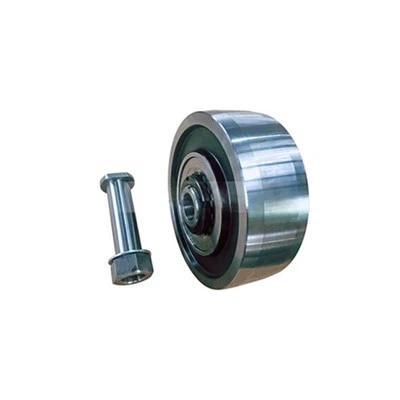
Hey there! As a supplier of concrete pump pistons, I've seen firsthand the importance of these little powerhouses in the construction world. Concrete pump pistons are crucial components that keep the concrete flowing smoothly from the mixer to the pour site. In this blog, I'm gonna break down the different types of concrete pump pistons out there, so you can make an informed decision when it comes to your construction needs.
Hydraulic Pistons
Let's start with hydraulic pistons. These are the most common type of concrete pump pistons you'll come across. They work by using hydraulic pressure to move the piston back and forth inside the cylinder. This movement creates a pumping action that forces the concrete out of the pump and into the delivery pipe.
One of the main advantages of hydraulic pistons is their power. They can generate a high amount of force, which allows them to pump concrete over long distances and to great heights. This makes them ideal for large - scale construction projects like high - rise buildings and bridges.
Another benefit is their reliability. Hydraulic systems are well - established and have been used in the construction industry for decades. They're designed to withstand the harsh conditions of construction sites, including dirt, dust, and extreme temperatures.
However, hydraulic pistons do have some drawbacks. They can be quite expensive to purchase and maintain. The hydraulic fluid needs to be changed regularly, and any leaks in the system can lead to reduced performance or even complete failure.
Pneumatic Pistons
Next up are pneumatic pistons. These pistons use compressed air to create the pumping action. Instead of hydraulic fluid, air is forced into the cylinder to move the piston.
Pneumatic pistons are known for their simplicity. They have fewer moving parts compared to hydraulic pistons, which means there's less that can go wrong. This makes them a great choice for smaller construction projects or for contractors on a budget.


They're also lightweight and easy to transport. If you're working on a job site where mobility is key, pneumatic pistons could be the way to go. You can easily move them from one location to another without the need for heavy - duty equipment.
But, pneumatic pistons do have limitations. They generally have less power than hydraulic pistons, so they're not suitable for pumping concrete over long distances or to great heights. Also, the compressed air system requires a reliable source of air, which might not always be available on some job sites.
Electric Pistons
Electric pistons are a newer addition to the concrete pump piston family. As the name suggests, they're powered by electricity. These pistons use an electric motor to drive the piston movement.
One of the big advantages of electric pistons is their environmental friendliness. They produce zero emissions, which is great for construction projects in urban areas or in environmentally sensitive locations.
They're also very quiet compared to hydraulic and pneumatic pistons. This can be a major plus if you're working in a residential area or a place where noise restrictions apply.
Electric pistons are relatively easy to control. You can adjust the speed and force of the pumping action with precision, which allows for more accurate concrete placement.
However, they do rely on a stable power supply. If there's a power outage or if the electrical system fails, the pump won't work. And in some remote construction sites, getting a reliable power source can be a challenge.
Diaphragm Pistons
Diaphragm pistons are a bit different from the other types. They use a flexible diaphragm instead of a traditional piston. The diaphragm moves back and forth, creating a pumping action that forces the concrete through the system.
These pistons are great for pumping abrasive or viscous materials. The diaphragm acts as a barrier between the concrete and the pumping mechanism, which helps to reduce wear and tear. This makes them a good choice for projects that involve pumping concrete with a high aggregate content or special additives.
Diaphragm pistons are also self - priming. This means they can start pumping without the need for external priming, which saves time and effort on the job site.
But, diaphragm pistons have a lower flow rate compared to hydraulic or pneumatic pistons. So, they're better suited for smaller - scale projects where a high volume of concrete isn't required.
Choosing the Right Piston for Your Project
When it comes to choosing the right type of concrete pump piston for your project, there are a few things you need to consider. First, think about the scale of the project. If it's a large - scale project that requires pumping concrete over long distances or to great heights, hydraulic pistons are probably your best bet.
For smaller projects or projects on a budget, pneumatic or electric pistons could be more suitable. They offer a good balance between cost and performance.
The type of concrete you're using is also important. If you're working with abrasive or viscous concrete, diaphragm pistons might be the way to go.
And don't forget about the job site conditions. If you're working in an area with noise restrictions or where environmental concerns are a priority, electric pistons could be a great option.
Our Product Range
As a concrete pump piston supplier, we offer a wide range of pistons to meet all your construction needs. Whether you need a high - powered hydraulic piston for a skyscraper project or a simple pneumatic piston for a small home renovation, we've got you covered.
We also provide high - quality spare parts for your concrete pumps. For example, we have the WATER PUMP HYPRO TYPE 7560 C - KMT 10011294, which is an essential part for maintaining the water system in your concrete pump. The Schwing Concrete Pump Agitator Bearing Assy. FIXED 10061073 ensures smooth operation of the agitator in your Schwing concrete pump. And the Agitator Motor for Schwing Pump 10039180 is a reliable power source for the agitator.
Let's Talk!
If you're in the market for concrete pump pistons or any of our spare parts, I'd love to hear from you. We can have a chat about your project requirements, and I'll help you find the perfect solution. Whether you're a seasoned contractor or just starting out in the construction industry, we're here to support you every step of the way.
References
- Construction Equipment Handbook by John Smith
- Concrete Pumping Technology Guide by Mark Johnson
- Handbook of Piston Design and Applications by David Brown