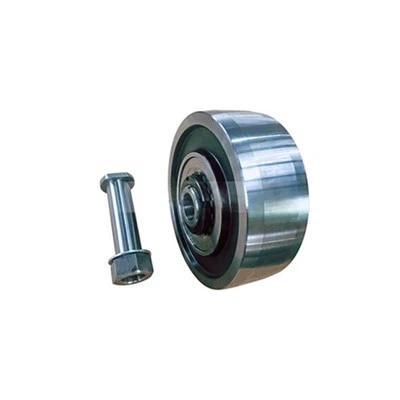
As a supplier of Concrete Pump Pipe Clamp, I often get asked by customers about the inspection frequency of concrete pump pipe clamps. This is a crucial question because proper inspection can ensure the safety and efficiency of concrete pumping operations. In this blog, I'll delve into the factors that influence the inspection frequency and provide some general guidelines to help you maintain your equipment in top - notch condition.
Factors Affecting Inspection Frequency
1. Usage Intensity
The more frequently a concrete pump is used, the more often its pipe clamps should be inspected. High - intensity usage means that the clamps are subjected to more stress, vibration, and wear. For example, in a large - scale construction project where the concrete pump is operating almost non - stop, the pipe clamps may experience significant fatigue. In such cases, a daily visual inspection is advisable, and a more in - depth inspection should be carried out at least once a week.
On the other hand, if the concrete pump is used only occasionally, say for small home improvement projects, a weekly visual inspection and a monthly in - depth inspection may be sufficient. The less intense the usage, the lower the rate of wear and tear on the clamps.
2. Environmental Conditions
The environment in which the concrete pump operates plays a vital role in determining inspection frequency. If the work site is in a harsh environment, such as a coastal area with high humidity and saltwater exposure, the pipe clamps are more prone to corrosion. Corrosion can weaken the structural integrity of the clamps over time. In such conditions, inspections should be conducted more frequently. A daily visual check for signs of rust or corrosion and a bi - weekly in - depth inspection to assess the clamp's strength are recommended.
In a dry, clean indoor environment, the risk of corrosion is significantly reduced. However, other factors like dust and debris can still affect the clamps. In this case, a weekly visual inspection and a monthly detailed inspection should be enough to catch any potential issues.
3. Type of Concrete Being Pumped
The characteristics of the concrete being pumped can also impact the inspection frequency. If the concrete has a high aggregate content or is very abrasive, it can cause more wear on the pipe clamps. Aggregates can create friction against the clamps as the concrete flows through the pipes, leading to faster deterioration. For abrasive concrete, a daily visual inspection to check for signs of wear and a bi - weekly in - depth inspection to measure the clamp's thickness and integrity are necessary.
If the concrete is of a standard mix with a low abrasive nature, the inspection intervals can be slightly longer. A weekly visual inspection and a monthly in - depth inspection would be appropriate.
General Inspection Guidelines
Visual Inspections
Visual inspections are the first line of defense in detecting potential problems with concrete pump pipe clamps. During a visual inspection, you should look for the following signs:


- Cracks: Check for any visible cracks on the surface of the clamps. Cracks can start small and gradually grow, leading to a complete failure of the clamp.
- Corrosion: Look for signs of rust or corrosion, especially in areas where the clamp is exposed to moisture or chemicals.
- Loose or Missing Parts: Ensure that all bolts, nuts, and other components of the clamp are tight and in place. Loose parts can cause the clamp to lose its grip on the pipes.
- Deformation: Check if the clamp has any signs of deformation, such as bending or warping. Deformed clamps may not provide a proper seal, leading to concrete leakage.
Visual inspections can be carried out quickly and should be done before and after each use of the concrete pump.
In - Depth Inspections
In - depth inspections are more comprehensive and should be carried out at regular intervals based on the factors mentioned above. During an in - depth inspection, you can use the following methods:
- Thickness Measurement: Use a caliper or other measuring tools to check the thickness of the clamp. A significant reduction in thickness indicates wear and may require the clamp to be replaced.
- Torque Testing: Check the torque of the bolts and nuts on the clamp to ensure they are tightened to the manufacturer's specifications. Incorrect torque can lead to loose clamps.
- Non - Destructive Testing: In some cases, non - destructive testing methods such as ultrasonic testing can be used to detect internal defects in the clamp that may not be visible to the naked eye.
The Importance of Regular Inspections
Regular inspections of concrete pump pipe clamps are not just a matter of compliance; they are essential for the safety and efficiency of your concrete pumping operations.
Safety
A failed pipe clamp can cause concrete to leak under high pressure, which can be extremely dangerous for workers on the site. Leaking concrete can also damage surrounding equipment and infrastructure. By regularly inspecting the clamps, you can identify and replace any faulty clamps before they cause an accident.
Efficiency
Properly maintained pipe clamps ensure a tight seal between the pipes, which allows for smooth and efficient concrete pumping. A loose or damaged clamp can cause pressure losses, reducing the pumping capacity of the system. This can lead to longer pumping times and increased energy consumption. Regular inspections help to maintain the efficiency of your concrete pumping equipment.
Related Products and Their Impact on Inspection
In addition to the pipe clamps, other products in your concrete pumping system can also affect the inspection frequency. For example, a Concrete Pump Rubber Hose 5.5'' DN125 that is worn or damaged can put additional stress on the pipe clamps. If the hose is leaking or has a reduced flexibility, it can cause uneven pressure distribution in the pipes, leading to faster wear on the clamps. Therefore, it is important to inspect the rubber hoses regularly and replace them when necessary.
Another related product is the Automatic Grease Pump. A well - functioning grease pump ensures that the moving parts of the concrete pump, including the pipe clamps, are properly lubricated. Lack of lubrication can increase friction and wear on the clamps. Regularly check the grease pump to ensure it is supplying the right amount of grease to the relevant components.
Conclusion
Determining how often you should inspect your concrete pump pipe clamps depends on several factors, including usage intensity, environmental conditions, and the type of concrete being pumped. By following the general inspection guidelines and considering the impact of related products, you can ensure the safety and efficiency of your concrete pumping operations.
If you have any questions about concrete pump pipe clamps or need more information on inspection best practices, feel free to reach out. We are here to help you make the most of your concrete pumping equipment. Whether you are in the process of purchasing new clamps or need advice on maintaining your existing ones, our team of experts is ready to assist you. Contact us today to start a discussion about your specific requirements and explore how our products can meet your needs.
References
- Concrete Pumping Handbook, [Publisher Name], [Year of Publication]
- Industry Standards for Concrete Pumping Equipment Maintenance, [Standard Organization], [Year of Release]
- Research on the Impact of Environmental Factors on Concrete Pump Pipe Clamps, [Research Institution], [Year of Research]