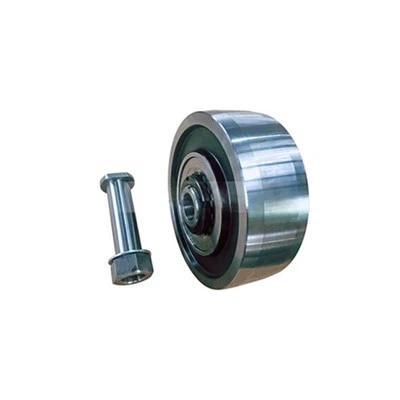
As a supplier of general parts, I often get asked about certifications. It's a fair question, especially when you're investing in parts for your equipment. In this post, I'll share my insights on whether there are any certifications required for general parts and why it might matter to you.
The Importance of Certifications
First off, let's talk about why certifications are a big deal. Certifications act as a stamp of approval from recognized authorities. They tell you that a product meets certain standards for quality, safety, and performance. When you're buying general parts, it's crucial to ensure they'll work as expected and won't cause any issues down the line.
Imagine you're looking for an Automatic Grease Pump. This part is responsible for lubricating your equipment, keeping it running smoothly and reducing wear and tear. If it's not certified, you might be taking a risk. It could malfunction, leading to costly repairs or even safety hazards.
Types of Certifications
There are several types of certifications that general parts might need, depending on their use and the industry they're in. Here are some common ones:
ISO Certifications
The International Organization for Standardization (ISO) sets global standards for various products and services. ISO certifications, such as ISO 9001 for quality management systems, are widely recognized. If a general parts supplier has an ISO 9001 certification, it means they have a well - defined quality control process in place. This gives you confidence that the parts you're buying are made to a consistent level of quality.
Industry - Specific Certifications
Some industries have their own set of certifications. For example, in the construction industry, parts used in concrete pumps need to meet certain standards. A Concrete Pump Pipe Clamp should be certified to ensure it can withstand the high pressure and stress of concrete pumping. These certifications are often set by industry associations or regulatory bodies.
Safety Certifications
Safety is always a top priority. Parts that are in contact with operators or are used in potentially dangerous environments need to have safety certifications. For instance, a Concrete Pump Rubber Hose 5.5'' DN125 should be certified to be resistant to bursting and chemical exposure to protect workers and equipment.
Are Certifications Always Required?
The short answer is no, certifications aren't always required. For some simple and low - risk general parts, there may not be a specific certification mandate. However, just because a certification isn't required doesn't mean you should skip it.


Uncertified parts might seem cheaper upfront, but they can end up costing you more in the long run. They may not perform as well, break down more often, or even pose a safety risk. On the other hand, certified parts give you peace of mind and can save you money on repairs and replacements.
How to Check for Certifications
When you're sourcing general parts, it's important to ask the supplier about certifications. A reputable supplier will be happy to provide documentation to prove that their products meet the required standards. You can also do some research on your own. Check the official websites of certification bodies to verify the authenticity of the certificates.
Some suppliers display their certifications on their websites or product packaging. This makes it easy for you to see what standards the parts meet. If a supplier is hesitant to provide certification information, it could be a red flag.
Working with a Reliable Supplier
As a general parts supplier, I understand the importance of certifications. We go through the process of getting our parts certified to ensure that our customers get the best quality products. We work closely with certification bodies to meet and exceed the standards set in the industry.
When you choose us as your supplier, you can be confident that the Automatic Grease Pump, Concrete Pump Pipe Clamp, or Concrete Pump Rubber Hose 5.5'' DN125 you're buying has been thoroughly tested and meets the necessary requirements.
Conclusion
In conclusion, while certifications aren't always mandatory for general parts, they are highly recommended. They provide assurance of quality, safety, and performance. As a customer, you should always look for certified parts to protect your investment and ensure the smooth operation of your equipment.
If you're in the market for high - quality general parts, don't hesitate to reach out. We're here to help you find the right parts for your needs. Whether you need a single part or a large order, we've got you covered. Let's start a conversation about your procurement needs and see how we can work together.
References
- International Organization for Standardization (ISO) official documentation
- Industry - specific standards and regulations from relevant associations and regulatory bodies